September 28, 2025 |16 min read
What Smells Do Cats Hate? 15 Scents Cats Dislike (And a Few They Love)

Written by




Have you ever noticed your cat eagerly sniff one thing, then quickly turn away from another? Cats experience smells far more intensely than we do, so a scent that barely catches your attention can spark curiosity, offer comfort, or send your kitty in the opposite direction.
While some smells can help keep cats away from certain spots around the house, choosing the wrong scent can leave your cat feeling stressed or uncomfortable. A better understanding of your cat's scent preferences can help you support good litter box habits, make your home more comfortable for your kitty, and avoid fragrances that may do more harm than good.
How Do Cats Smell Things? (Their Nose vs. Ours)
Cats experience the world through their noses in ways we can only imagine. Cats depend on their sense of smell to make sense of the world around them. They use scent to recognize familiar people and animals, find food, mark territory, and decide whether a place feels safe.
Their noses are far more sensitive than ours, allowing them to pick up smells that humans may never notice. Cats also have a special scent-detecting organ called the vomeronasal organ, or Jacobson's organ, which helps them detect pheromones and other chemical signals.
If you've ever seen your cat pause with their mouth slightly open after sniffing something, that's the Flehmen response, their way of taking in and analyzing an unfamiliar scent.[1]
What Smells Do Cats Like?
Cats don't just react to smells they dislike. Certain scents can spark curiosity, encourage play, or provide comfort because they feel familiar or connect to natural feline instincts. What smells cats like varies from one cat to another, so your kitty may ignore a scent another cat loves. Think of these preferences as a fun way to enrich your cat’s environment and make playtime more rewarding.[2][3][4]
Catnip
Catnip is the scent most people associate with happy cats. It contains nepetalactone, a natural compound that can trigger playful behavior like rolling, rubbing, purring, or playful bursts of energy. Cats usually inherit their response to catnip, so some cats may show little interest because of their genetics, age, and individual preference. But if your cat enjoys catnip, it can be a great addition to cat enrichment activities.
Silvervine
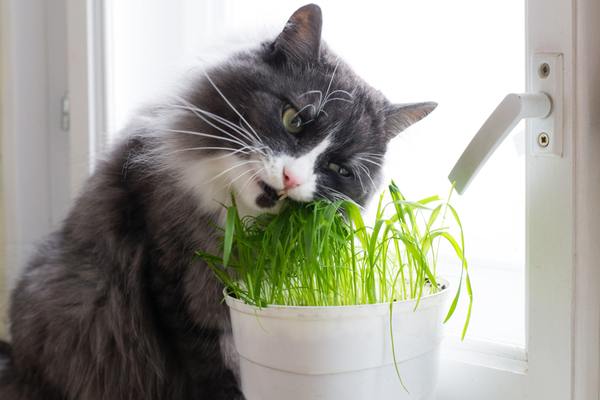
Silvervine is another plant-based scent that many cats enjoy, including some that don't react to catnip. It contains nepetalactol, which can encourage playful, curious behavior. Offering silvervine toys occasionally keeps it interesting without making it part of your cat's everyday routine.
Valerian Roots
Valerian root has a strong, earthy aroma that some cats find appealing. It can encourage sniffing, rubbing, or playful exploration, making it another option for scent-based enrichment if your kitty shows little interest in catnip or silvervine.
Olive Oil
Some cats enjoy the mild aroma of olive oil because it contains plant compounds that may remind them of scents found in nature. While it's not an enrichment tool on its own, a little curiosity around its scent is perfectly normal.
Fresh Meat and Fish
The smell of chicken, tuna, or fish, or other protein-rich foods naturally appeals to many cats. These familiar food aromas often capture their attention and reflect their instinctive hunting behavior.
Honeysuckle and Certain Herbs
Some cats also respond to Tatarian honeysuckle and mild, earthy herbs. Just like catnip and silvervine, these scents can encourage sniffing, rubbing, or playful exploration.
Smells That Attract Cats to Specific Areas
Cats often return to places that smell familiar or rewarding. Food aromas, their own scent markings, a favorite blanket, or a person's clothing can make an area feel safe and inviting. Using familiar scents alongside toys or cat enrichment activities can encourage your cat to spend time where you want them instead of relying on overpowering fragrances or deterrents.
Since every cat has unique scent preferences, introducing new enrichment items gradually gives you a chance to see which aromas your kitty enjoys most.
15 Smells Cats Hate Most
Some of the scents cats hate have one thing in common: they're strong enough to overwhelm a cat's highly sensitive nose. Sharp, bitter, medicinal, or heavily perfumed smells can make cats avoid an area, even if those same scents seem pleasant to us. While certain smells may discourage cats from scratching furniture or exploring off-limits spaces, avoid using anything that could be harmful if your cat licks, inhales, or comes into direct contact with it.[2][3][4][5]
Citrus
Orange, lemon, lime, and grapefruit have bright, zesty scents that many cats turn away from. You may notice these smells in fresh peels, household cleaners, or room sprays. Although citrus can sometimes be used to discourage cats from certain areas, concentrated citrus oils should never be applied where your cat could lick or ingest them.
Vinegar
Vinegar's intense acidic smell can quickly send many cats running in the opposite direction. It's commonly used to clean surfaces or neutralize odors, but the lingering scent may be unpleasant for your cat. If you use vinegar around your home, let the smell fade before allowing your cat back into the area.
Menthol and Peppermint
Menthol and peppermint create a cool, sharp scent that many cats find intense. Common sources include vapor rubs, toothpaste, peppermint candies, sprays, and essential oils.
Concentrated peppermint oil isn't a safe deterrent for cats. If you're unsure which products are pet-friendly, learn more about scents and essential oils safe for cats before using them around your home.
Eucalyptus
Eucalyptus has a distinct medicinal aroma that many cats dislike. You'll often find it in essential oils, diffusers, cleaning products, and balms. Since eucalyptus oil can be harmful to cats, it's best to keep these products out of their reach and avoid using them as a scent deterrent.
Cinnamon
The warm, spicy smell of cinnamon may be inviting in baked treats, but many cats find it too intense. Scented candles, room sprays, and spice jars are common sources. Loose cinnamon powder isn't a safe option for keeping cats away either because they can easily inhale it while exploring.
Rosemary
Fresh rosemary has a noticeable herbal scent that some cats avoid, although reactions vary from cat to cat. The fresh plant is much milder than concentrated rosemary oil, which has a far stronger aroma. If your cat seems curious about rosemary, there's no need to worry, but avoid exposing them to concentrated oils.
Lavender
Although lavender smells calming to many people, some cats find floral fragrances too intense. Candles, laundry products, room sprays, diffusers, and even scented litter can all carry lavender fragrance. Skip lavender essential oil around cats, as concentrated forms may pose a health risk.
Banana Peel
The ripe, slightly bitter smell of banana peel puts some cats off. You'll often hear it suggested as a natural cat deterrent, but the results are inconsistent. Banana peels also spoil quickly and can attract insects, making them a less practical choice for keeping cats away.
Coffee Grounds
Many cats dislike the bold, bitter aroma of coffee grounds. You may come across them in kitchens, compost bins, garden beds, or trash cans. While some people scatter used grounds outdoors as a deterrent, coffee and caffeine are toxic to cats, so keep them out of reach and never use them where your cat might lick or eat them.
Pine and Cedar
Pine and cedar have pronounced woody aromas that can overwhelm some cats, especially in concentrated forms. These fragrances are common in cleaners, air fresheners, furniture, bedding, and some litter products. If a litter smells too strongly of pine or cedar, some cats may hesitate to use the box even when it's clean.
Ammonia
Ammonia has a harsh, urine-like smell that many cats dislike. It can come from certain household cleaners, old urine stains, or poorly maintained litter boxes. Cleaning accidents with ammonia-based products may confuse cats because the smell resembles urine, making them more likely to revisit the same spot instead of avoiding it.
Pepper
Black pepper, chili powder, and other spicy seasonings can irritate a cat's nose and airways. A curious sniff may lead to sneezing or discomfort. Pepper shouldn't be used to keep cats away from furniture or gardens. Fine particles can easily become airborne and irritate your cat's eyes and airways.
Rubbing Alcohol
Rubbing alcohol has a sharp chemical smell that most cats avoid. It's commonly found in disinfectant sprays, wipes, and first-aid supplies. Although the smell may discourage cats from approaching an area, rubbing alcohol isn't a safe deterrent because the fumes and liquid can irritate cats if inhaled or ingested.
Perfume
Perfumes, colognes, scented candles, and body sprays combine multiple fragrance ingredients that can overwhelm a cat's powerful sense of smell. Some cats may hesitate to enter freshly sprayed rooms, bedding, or even people wearing heavy fragrances. In most cases, cats are happiest in spaces that smell familiar rather than heavily perfumed.
Dirty Litter Box Ammonia
A dirty litter box doesn't just smell unpleasant to you; it can be even more overwhelming for your cat. As urine breaks down, ammonia builds up and creates an odor many cats prefer to avoid.
Instead of assuming your cat is being stubborn, consider whether the litter box has become too smelly to use comfortably. Keeping odors under control plays a big role in encouraging consistent litter box habits. If you're comparing scented vs. unscented cat litter, a low-scent option is often a better choice for scent-sensitive cats.
Cats respond to smells in very different ways than we do. Rather than relying on harsh fragrances to change your cat's behavior, focus on creating a clean, familiar environment and using gentle, cat-safe alternatives.
Using Smells to Deter Cats (Practical Guide)
Scent can help redirect your cat's behavior, but it works best as part of a broader approach that makes the preferred choice more rewarding.
-
Furniture: Use mild, cat-safe scent deterrents with a scratching post placed nearby to encourage scratching in the right spot.
-
Counters: Remove food crumbs and odors first. If food rewards remain, scent deterrents are unlikely to keep cats away.
-
Gardens: Choose gentle, pet-safe scent barriers and avoid toxic plants, essential oils, or harsh substances.
-
Litter Box: Skip strong fragrances, which can make issues like cats peeing on your laundry or outside the litter box worse. A clean, low-scent litter box is usually the better solution.
-
Safety: Never spray deterrents directly on your cat or use concentrated scents in enclosed spaces where they may become overwhelming.
Used thoughtfully, mild scent deterrents can help guide your cat's behavior, but they work best alongside a clean, enriching environment that supports your cat's natural instincts.
Scent and the Litter Box: What Cat Owners Need to Know
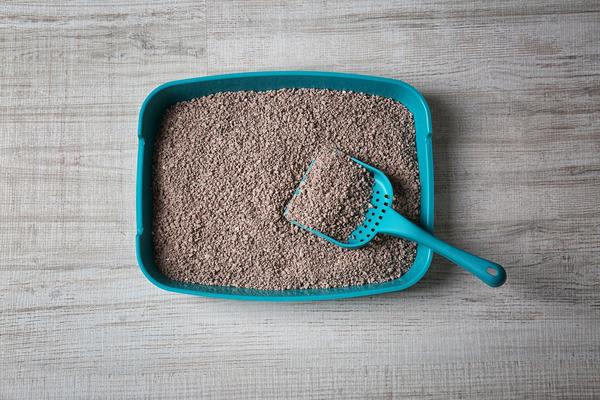
The litter box is one of the most scent-sensitive areas in your cat's environment. While people often focus on masking odors, cats care more about whether the space smells clean, familiar, and comfortable. Strong perfumes, lingering urine odors, and poor litter box maintenance can all influence whether a cat continues using the box consistently.
Why Strongly Scented Litter Drives Cats Away
Cats have been observed avoiding litter boxes with heavy perfume additives even when the box is physically clean. Artificial fragrances may smell fresh to us, but they can feel overwhelming or unfamiliar to cats.
A litter box can become less appealing to your feline friend when it has:
-
Overpowering artificial fragrances that mask natural scents with heavy perfumes.
-
Ammonia buildup caused by urine that isn't absorbed or controlled effectively.
-
Lingering odors that make the box feel unclean, even after scooping.
-
Other stressors, such as an uncomfortable litter texture, poor placement, or inconsistent cleaning.
Instead of using the litter box, some cats may choose softer, quieter, or less scented areas of the home. If your cat suddenly avoids the litter box, learn more about why cats pee outside the litter box to identify the underlying cause.
How PrettyLitter Keeps Scent Cat-Friendly
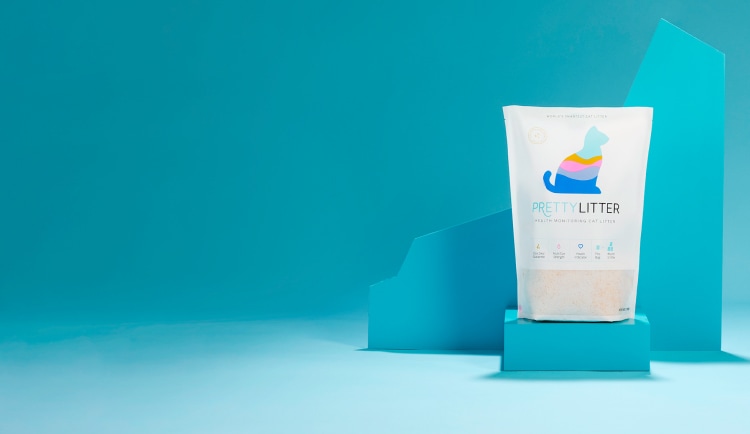
PrettyLitter silica gel cat litter helps create a fresher litter box without relying on heavy perfumes. Its silica gel crystals absorb moisture quickly, reducing the damp conditions that allow ammonia odors to develop. The result is a drier, lower-scent litter box that feels more comfortable for scent-sensitive cats while helping control odors for your home.
As a health-monitoring cat litter, PrettyLitter also changes color to help cat parents spot potential urinary health concerns early, giving you another way to stay on top of your cat's well-being.
A cat's sense of smell shapes everything from where they relax to where they choose to use the litter box. By creating a clean, low-scent environment and avoiding overpowering fragrances, you can help your cat feel more comfortable, reduce unwanted behaviors, and support healthier litter box habits every day.
If you're looking for effective odor control without overpowering fragrance, PrettyLitter offers a practical balance between your cat's comfort and your home's freshness.
Frequently Asked Questions
What smell do cats hate the most?
Cats commonly dislike strong, sharp smells such as citrus, vinegar, peppermint, eucalyptus, and heavy perfumes. Their sensitive noses make these scents overwhelming, so they may avoid areas where those odors are present.
What smells repel cats from peeing?
Strong scents like citrus and vinegar may temporarily discourage cats from returning to certain spots. However, cleaning thoroughly, removing urine odors, and addressing the reason for inappropriate urination are more effective than relying on scent alone.
What smell deters cats from furniture?
Mild citrus-based or other cat-safe scent deterrents may help discourage scratching or climbing on furniture. They work best when paired with attractive scratching posts and positive reinforcement instead of harsh or overpowering fragrances.
Do cats hate vinegar?
Yes, many cats dislike vinegar because of its intense acidic smell. While it can help clean surfaces and remove odors, avoid spraying it near your cat or using it in enclosed spaces where the smell may become overwhelming.
Does coffee keep cats away?
Some cats avoid the bitter smell of coffee grounds, but coffee is not a safe deterrent. Because caffeine is toxic to cats, keep coffee grounds and brewed coffee out of reach and avoid using them where your cat may lick or ingest them.
Why does my cat avoid the litter box?
Cats may avoid the litter box because of lingering odors, ammonia buildup, scented litter, poor cleanliness, uncomfortable litter texture, or an unsuitable location. Medical issues can also cause litter box avoidance, so contact your veterinarian if the behavior continues.
What scents do cats like vs. hate?
Many cats enjoy mild scents like catnip, silvervine, valerian root, and familiar bedding. They typically dislike strong smells such as citrus, vinegar, peppermint, eucalyptus, ammonia, and heavily perfumed products that can overwhelm their sensitive sense of smell.


