February 9, 2026 |8 min read
The Ultimate Guide to Switching Cat Litter

Written by




Switching cat litter can feel overwhelming when you’re dealing with persistent odors, excessive mess, or a finicky feline who suddenly refuses to use the box. But transitioning to a new litter doesn’t have to be stressful for you or your cat when you take a gradual, thoughtful approach.
In this guide, you’ll read about everything you need to know about how to switch cat litter successfully. You’ll learn why cats resist changing litter, how to transition safely using a proven step-by-step method, and what signs to watch for during the process, so you can help your cat adjust comfortably to their new litter.
Why Cats Are Resistant to Change
When you suddenly switch litter, your cat can feel the difference instantly. The litter box serves as a crucial scent marker for their territory, so removing familiar smells can confuse your cat. This sudden switch can stress out your cat and cause behavioral issues.1
This also explains why a gradual transition works better than an abrupt change. Cats need time to adjust to using the new litter. New textures and scents should be explored at their own comfortable pace.
Cat Litter That Prioritizes Their
Health & Your Happiness.
to get your first bag for only $14.99
Common Reasons to Switch Cat Litter
Many cat parents decide to switch litter brands when dealing with persistent odors, high levels of airborne particles, or tracking issues throughout the house. Sometimes your cat suddenly starts avoiding the litter box, signaling that their current litter isn’t meeting their needs anymore.
Beyond these immediate concerns, other motivations include wanting a lighter-weight option that’s easier to handle. Health-conscious cat parents often look for litter that offers more than just basic waste absorption.
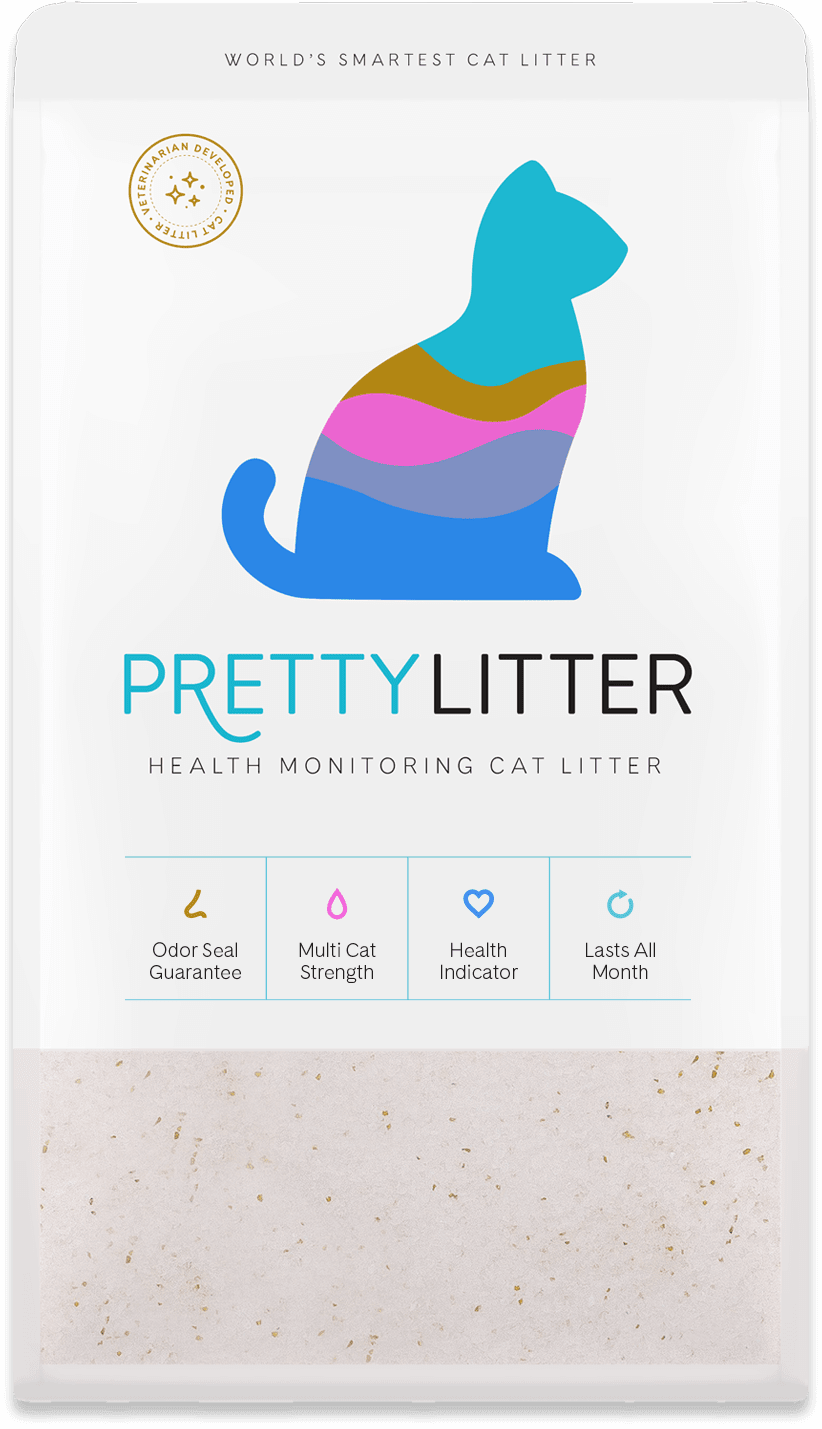
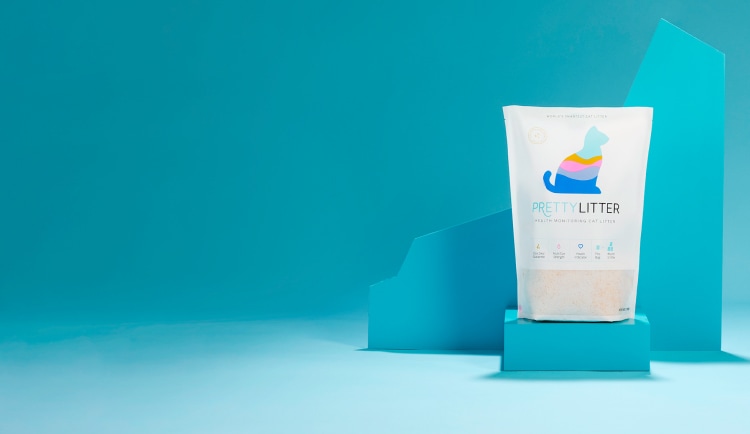
This is where innovative options like PrettyLitter come in. It’s a low dust and lightweight cat litter that helps monitor your cat’s health by changing color when it detects certain indicators in their urine.
The Step-by-Step Transition Strategy
Cats are creatures of habit. The key to successfully switching your cat to a new litter is a gradual mixing process that allows them to adjust slowly to new textures and scents. If you want to change the type of litter, mixing the new one in gradually for about a week helps make sure your cat likes it.2 This methodical approach reduces stress and increases your chances of success.
Preparation: Setting Up for Success
Start with a completely clean litter box to eliminate old odors and give your new litter the best chance to perform well. Next, place the bag of new litter near the box for a day or two so your cat can investigate the scent on their own terms.
Days 1–3: The Introductory Mix (75% Old, 25% New)
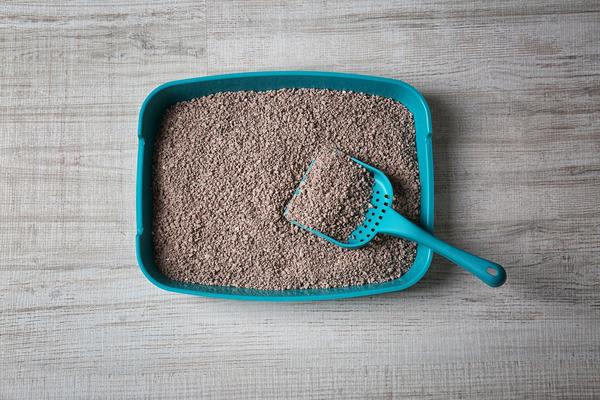
Begin by thoroughly mixing a small amount of new litter with the old litter, using about 75% of your current litter and 25% of the new bag. Mix the litters completely rather than layering them so your cat experiences both textures with every visit.
During this phase, offer praise or treats when you see your cat using the litter box. This positive reinforcement helps create good associations with the changing environment.
Days 4–6: The Balanced Blend (50% Old, 50% New)
Increase the new litter to a 50:50 ratio with the old litter, continuing to mix thoroughly. When you stir or scoop cat litter, top off the box with only the new litter to maintain the transition momentum.
Most cats adapt well at this stage, but some need more time. If your cat seems hesitant, extend this phase for a few extra days rather than rushing the process.
Days 7–10: The Full Transition (75% New, 25% Old to 100% New)
Shift to 75% new litter and 25% old litter for a couple of days, then make the final switch to 100% new litter. For crystal litters, maintain a depth of two inches and stir for even absorption.
Once your cat consistently uses their new litter, you can start a subscription with confidence.
Troubleshooting Common Transition Hurdles
Even with careful planning, some cats show signs of resistance during litter transitions. Recognizing these signs early helps you adjust your approach before problems escalate into complete litter box avoidance.
Recognizing Signs of Litter Box Aversion
Watch for these behavioral changes that indicate your cat isn’t happy with the new litter:
- Avoiding the box – Your cat approaches, sniffs, then walks away without using it.
- Eliminating outside the box – Finding accidents on rugs, furniture, or other surfaces.
- Vocalizing near the box – Meowing or showing anxiety around the litter area.
Managing the "Strike" or Avoidance
If you notice litter box aversion, pause the transition immediately and revert to the previous ratio your cat was comfortable with. Stay at that level for several more days before trying to advance again.
For especially sensitive cats, slow the pace to smaller increments of just 10% new litter at a time. Also avoid other major household changes during the transition period to minimize overall stress.
The Role of Health Monitoring During Transitions
Litter changes sometimes reveal underlying health issues, especially if your cat’s bathroom habits shift noticeably during the switch. This makes health-monitoring litter particularly valuable during transition periods.
PrettyLitter’s color-changing technology helps you keep tabs on your cat’s health by detecting changes in urine pH or possible presence of blood. These early indicators can prompt timely veterinary consultations before issues become serious.
During any transition, watch for frequent litter box visits, straining, or visible changes in urine. While PrettyLitter provides helpful health insights, it is not a substitute for professional veterinary care, so always consult your vet with any concerns.
Scented vs. Unscented Options
The choice between scented and unscented litter depends on your cat’s sensitivity and your household’s odor control needs. Since cats have much stronger senses of smell than humans, using deodorants or disinfectants with strong smells may keep your sensitive cat from using the litter box.
PrettyLitter offers both unscented and scented cat litter options, including a Lotus Flower scent and the new Calm Aloe Scented litter. While raw aloe plant latex can upset a cat’s stomach if ingested, Calm Aloe Scented cat litter is specifically formulated to remove this latex entirely, leaving only purified aloe gel that provides a cat-safe scent. This purified aloe gel is safely used in many common human and pet products.
Unlock the Key to Feline Comfort
A gradual, patient approach is the most reliable way to switch cat litter without causing stress or box avoidance. Start slow, mix thoroughly, watch for signs of discomfort, and adjust your timeline based on your cat’s individual responses.
Choosing a thoughtful litter like PrettyLitter makes life easier with superior odor control, less mess, and valuable health insights. This simple change can lead to a cleaner home and greater peace of mind for every cat parent.
Sources:
- PubMed Central. “The Behavioural Impact on Cats during a Transition from a Clay-Based Litter to a Plant-Based Litter.” https://pmc.ncbi.nlm.nih.gov/articles/PMC9029339/.
- Blue Cross. “Stop your cat spraying and soiling in the house.” https://www.bluecross.org.uk/advice/cat/behaviour-and-training/stop-your-cat-spraying-and-soiling-in-the-house.


